The Founding of YouTube A Short History
YouTube is one of the most influential platforms in modern media, but its origin story is surprisingly simple: a small team wanted an easier way to share video online. In the early 2000s, uploading and sending video files was slow, formats were inconsistent, and most websites weren’t built for smooth playback. YouTube’s founders focused on removing those barriers—making video sharing as easy as sending a link.
Who Founded YouTube?
YouTube was founded by three former PayPal employees: Chad Hurley, Steve Chen, and Jawed Karim. They combined product thinking, engineering skills, and a clear user goal: create a website where anyone could upload a video and watch it instantly in a browser.
- Chad Hurley — product/design focus and early CEO role
- Steve Chen — engineering and infrastructure
- Jawed Karim — engineering and early concept support
The Problem YouTube Solved
At the time, sharing video often meant emailing huge files or dealing with complicated players and downloads. YouTube made video:
- Uploadable by non-experts (simple interface)
- Streamable in the browser (no special setup)
- Sharable through links and embedding on other sites
Early Growth and the First Video
YouTube launched publicly in 2005. One of the most famous early moments was the first uploaded video, “Me at the zoo,” featuring co-founder Jawed Karim. The clip was short and casual—exactly the kind of everyday content that proved the platform’s big idea: ordinary people could publish video without needing a studio.
Key Milestones Timeline
| 2005 | YouTube is founded and launches | Introduced easy browser-based video sharing |
| 2005 | “Me at the zoo” is uploaded | Became a symbol of user-generated video culture |
| 2006 | Google acquires YouTube | Provided resources to scale hosting and global reach |
Why Google Bought YouTube
By 2006, YouTube’s traffic was exploding. Video hosting is expensive—bandwidth and storage costs rise fast when millions of people watch content daily. Google’s acquisition gave YouTube the infrastructure and advertising ecosystem to grow into a sustainable business.
What YouTube’s Founding Changed
YouTube didn’t just create a popular website; it reshaped how people learn, entertain themselves, and build careers online. Its founding helped accelerate:
- Creator-driven media and influencer culture
- How-to education and free tutorials at massive scale
- Music discovery, commentary, and global community trends
From a small startup idea to a global video powerhouse, YouTube’s founding is a classic example of a simple product solving a real problem—and changing the internet in the process.
The Founding of YouTube A Short History
YouTube is one of the most influential platforms in modern media, but its origin story is surprisingly simple: a small team wanted an easier way to share video online. In the early 2000s, uploading and sending video files was slow, formats were inconsistent, and most websites weren’t built for smooth playback. YouTube’s founders focused on removing those barriers—making video sharing as easy as sending a link.
Who Founded YouTube?
YouTube was founded by three former PayPal employees: Chad Hurley, Steve Chen, and Jawed Karim. They combined product thinking, engineering skills, and a clear user goal: create a website where anyone could upload a video and watch it instantly in a browser.
- Chad Hurley — product/design focus and early CEO role
- Steve Chen — engineering and infrastructure
- Jawed Karim — engineering and early concept support
The Problem YouTube Solved
At the time, sharing video often meant emailing huge files or dealing with complicated players and downloads. YouTube made video:
- Uploadable by non-experts (simple interface)
- Streamable in the browser (no special setup)
- Sharable through links and embedding on other sites
Early Growth and the First Video
YouTube launched publicly in 2005. One of the most famous early moments was the first uploaded video, “Me at the zoo,” featuring co-founder Jawed Karim. The clip was short and casual—exactly the kind of everyday content that proved the platform’s big idea: ordinary people could publish video without needing a studio.
Key Milestones Timeline
| 2005 | YouTube is founded and launches | Introduced easy browser-based video sharing |
| 2005 | “Me at the zoo” is uploaded | Became a symbol of user-generated video culture |
| 2006 | Google acquires YouTube | Provided resources to scale hosting and global reach |
Why Google Bought YouTube
By 2006, YouTube’s traffic was exploding. Video hosting is expensive—bandwidth and storage costs rise fast when millions of people watch content daily. Google’s acquisition gave YouTube the infrastructure and advertising ecosystem to grow into a sustainable business.
What YouTube’s Founding Changed
YouTube didn’t just create a popular website; it reshaped how people learn, entertain themselves, and build careers online. Its founding helped accelerate:
- Creator-driven media and influencer culture
- How-to education and free tutorials at massive scale
- Music discovery, commentary, and global community trends
From a small startup idea to a global video powerhouse, YouTube’s founding is a classic example of a simple product solving a real problem—and changing the internet in the process.
The Founding of YouTube A Short History
YouTube is one of the most influential platforms in modern media, but its origin story is surprisingly simple: a small team wanted an easier way to share video online. In the early 2000s, uploading and sending video files was slow, formats were inconsistent, and most websites weren’t built for smooth playback. YouTube’s founders focused on removing those barriers—making video sharing as easy as sending a link.
Who Founded YouTube?
YouTube was founded by three former PayPal employees: Chad Hurley, Steve Chen, and Jawed Karim. They combined product thinking, engineering skills, and a clear user goal: create a website where anyone could upload a video and watch it instantly in a browser.
- Chad Hurley — product/design focus and early CEO role
- Steve Chen — engineering and infrastructure
- Jawed Karim — engineering and early concept support
The Problem YouTube Solved
At the time, sharing video often meant emailing huge files or dealing with complicated players and downloads. YouTube made video:
- Uploadable by non-experts (simple interface)
- Streamable in the browser (no special setup)
- Sharable through links and embedding on other sites
Early Growth and the First Video
YouTube launched publicly in 2005. One of the most famous early moments was the first uploaded video, “Me at the zoo,” featuring co-founder Jawed Karim. The clip was short and casual—exactly the kind of everyday content that proved the platform’s big idea: ordinary people could publish video without needing a studio.
Key Milestones Timeline
| 2005 | YouTube is founded and launches | Introduced easy browser-based video sharing |
| 2005 | “Me at the zoo” is uploaded | Became a symbol of user-generated video culture |
| 2006 | Google acquires YouTube | Provided resources to scale hosting and global reach |
Why Google Bought YouTube
By 2006, YouTube’s traffic was exploding. Video hosting is expensive—bandwidth and storage costs rise fast when millions of people watch content daily. Google’s acquisition gave YouTube the infrastructure and advertising ecosystem to grow into a sustainable business.
What YouTube’s Founding Changed
YouTube didn’t just create a popular website; it reshaped how people learn, entertain themselves, and build careers online. Its founding helped accelerate:
- Creator-driven media and influencer culture
- How-to education and free tutorials at massive scale
- Music discovery, commentary, and global community trends
From a small startup idea to a global video powerhouse, YouTube’s founding is a classic example of a simple product solving a real problem—and changing the internet in the process.
The Founding of YouTube A Short History
YouTube is one of the most influential platforms in modern media, but its origin story is surprisingly simple: a small team wanted an easier way to share video online. In the early 2000s, uploading and sending video files was slow, formats were inconsistent, and most websites weren’t built for smooth playback. YouTube’s founders focused on removing those barriers—making video sharing as easy as sending a link.
Who Founded YouTube?
YouTube was founded by three former PayPal employees: Chad Hurley, Steve Chen, and Jawed Karim. They combined product thinking, engineering skills, and a clear user goal: create a website where anyone could upload a video and watch it instantly in a browser.
- Chad Hurley — product/design focus and early CEO role
- Steve Chen — engineering and infrastructure
- Jawed Karim — engineering and early concept support
The Problem YouTube Solved
At the time, sharing video often meant emailing huge files or dealing with complicated players and downloads. YouTube made video:
- Uploadable by non-experts (simple interface)
- Streamable in the browser (no special setup)
- Sharable through links and embedding on other sites
Early Growth and the First Video
YouTube launched publicly in 2005. One of the most famous early moments was the first uploaded video, “Me at the zoo,” featuring co-founder Jawed Karim. The clip was short and casual—exactly the kind of everyday content that proved the platform’s big idea: ordinary people could publish video without needing a studio.
Key Milestones Timeline
| 2005 | YouTube is founded and launches | Introduced easy browser-based video sharing |
| 2005 | “Me at the zoo” is uploaded | Became a symbol of user-generated video culture |
| 2006 | Google acquires YouTube | Provided resources to scale hosting and global reach |
Why Google Bought YouTube
By 2006, YouTube’s traffic was exploding. Video hosting is expensive—bandwidth and storage costs rise fast when millions of people watch content daily. Google’s acquisition gave YouTube the infrastructure and advertising ecosystem to grow into a sustainable business.
What YouTube’s Founding Changed
YouTube didn’t just create a popular website; it reshaped how people learn, entertain themselves, and build careers online. Its founding helped accelerate:
- Creator-driven media and influencer culture
- How-to education and free tutorials at massive scale
- Music discovery, commentary, and global community trends
From a small startup idea to a global video powerhouse, YouTube’s founding is a classic example of a simple product solving a real problem—and changing the internet in the process.
Tout savoir sur l’achat de Kamagra Jelly : Guide complet par le Dr. Jean Dupont
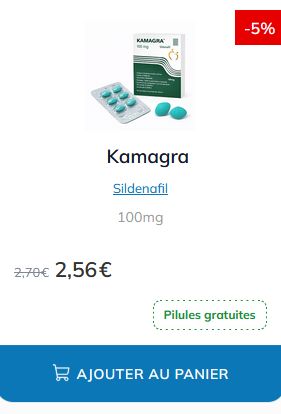
En tant que médecin expérimenté et spécialiste en santé sexuelle, je comprends à quel point il peut être difficile de trouver les solutions adéquates pour améliorer votre vie sexuelle en toute sécurité et discrétion. Aujourd’hui, je vais vous présenter un guide complet sur l’achat de Kamagra Jelly, un médicament populaire pour traiter la dysfonction érectile, via des pharmacies en ligne. Vous découvrirez les avantages, les prix, les différences entre diverses pharmacies, ainsi que des conseils pour faire votre achat en toute confiance, sans prescription et à moindre coût.
Introduction : Pourquoi choisir Kamagra Jelly ?
Kamagra Jelly est une alternative abordable au Viagra classique, contenant le même principe actif, le sildénafil. Son format en gel facilite la prise, sa rapidité d’action offre un plaisir immédiat, et son coût réduit en fait une option prisée. Cependant, l’achat en ligne nécessite quelques précautions que nous aborderons dans ce guide pour garantir votre sécurité.
Comparaison des prix et des dosages de Kamagra Jelly
Tableau comparatif des prix (en Euros) selon les pharmacies
| Pharmacie | Dosage | Prix par boîte (en €) | Quantité par boîte | Notes |
|---|---|---|---|---|
| Pharmacie A | 100 mg | 25 € | 4 doses | Prix moyen |
| Pharmacie B | 50 mg | 20 € | 4 doses | Option économique |
| Pharmacie C | 100 mg | 30 € | 4 doses | Prix plus élevé |
| Pharmacie D | 50 mg | 18 € | 4 doses | Meilleur rapport qualité-prix |
Exemples de prix selon le dosage
- 50 mg : entre 18 € et 20 € pour 4 doses
- 100 mg : entre 25 € et 30 € pour 4 doses
Différentes pharmacies en ligne : sécurité, fiabilité et recommandations
Pharmacie en ligne fiable 1 : PharmaSecure
PharmaSecure offre des produits certifiés, livraison discrète, et des prix compétitifs. Pas besoin de prescription, mais un formulaire de santé vous sera demandé pour assurer une utilisation correcte.
Pharmacie en ligne fiable 2 : MedExpress
MedExpress propose une large gamme de médicaments en ligne, notamment Kamagra Jelly, avec un service clientèle disponible 24/7 et une politique de remboursement si problème.
Pharmacie en ligne fiable 3 : ePharmaDiscount
Ce site se distingue par ses prix bas et des évaluations utilisateurs positives. La livraison est rapide et discrète, sans nécessité de prescription pour commander certains médicaments, y compris Kamagra Jelly.
Dosages disponibles et conseils d’utilisation
Dosages courants de Kamagra Jelly
- 50 mg: recommandé pour les débutants ou ceux sensibles aux médicaments
- 100 mg: dose standard pour un effet optimal
Conseils pour la prise de Kamagra Jelly
La prise se fait généralement 30 à 60 minutes avant l'activité sexuelle. Le gel doit être consommé directement en bouche, sous la langue ou sur la langue, pour une absorption rapide. Ne dépassez pas la dose recommandée et évitez de consommer de l’alcool ou des médicaments contenant des nitrates en même temps.
Avantages de l’achat en ligne sans ordonnance
- Maîtrise du coût grâce à des prix faibles
- Discrétion totale et livraison à domicile
- Accès facilité à des traitements auparavant difficile à obtenir
- Gain de temps sans visite médicale préalable
Précautions et conseils importants
Il est essentiel de rappeler que l’utilisation de médicaments comme Kamagra Jelly doit être faite avec précaution, surtout en cas de problèmes cardiaques ou d’autres maladies. Consultez un professionnel de santé si vous avez des doutes. N’achetez jamais de médicaments auprès de sites douteux ou non certifiés, qui peuvent vendre des produits falsifiés ou dangereux.
Questions fréquentes (FAQ)
1. Est-il légal d’acheter Kamagra Jelly en ligne sans prescription ?
En France, la vente de médicaments sans prescription est encadrée par la loi. Cependant, certains sites en ligne hors de France proposent la vente sans prescription. Sachez que ces produits peuvent être falsifiés ou de mauvaise qualité, ce qui comporte des risques pour votre santé. Il est toujours conseillé de consulter un médecin avant toute utilisation.
2. Quelles sont les effets secondaires possibles ?
- Maux de tête
- Vertiges
- Rougeurs faciales
- Indigestion
- Réactions allergiques (rare)
Si vous ressentez des effets indésirables graves, consultez immédiatement un professionnel de santé.
3. Quelle dose dois-je prendre ?
Commencez par la dose la plus faible, généralement 50 mg. Ne dépassez pas 100 mg par prise. Ajustez selon votre tolérance et en fonction de votre médecin ou professionnel de santé.
4. Combien de temps dure l’effet ?
En moyenne, l’effet dure entre 4 et 6 heures. Cependant, cela dépend de chaque individu.
5. Peut-on acheter Kamagra Jelly pour une utilisation régulière ?
Il est préférable de consulter un professionnel de santé pour une utilisation régulière. La fréquence doit être limitée pour éviter tout risque pour la santé.
Conclusion : faire le bon choix pour votre santé sexuelle
L’achat de Kamagra Jelly en ligne peut s’avérer une solution pratique, économique et efficace pour améliorer votre vie sexuelle. Cependant, il est crucial de privilégier des pharmacies fiables, de respecter les dosages recommandés, et de consulter un professionnel en cas de doute. En suivant ces conseils, vous pourrez profiter pleinement des avantages de ce traitement tout en minimisant les risques.
N’hésitez pas à poser vos questions ou à demander l’avis d’un spécialiste pour assurer une utilisation en toute sécurité. La santé sexuelle est essentielle, et chaque étape compte pour retrouver confiance et plaisir.
Скачать UPX - Быстрый архиватор для сжатия исполняемых файлов79442
🚀 Где и как **1 upx скачать** бесплатно?
Если вы ищете удобный и быстрый способ сжатия файлов, то программа UPX — отличный выбор. В этой статье мы расскажем, где и как **1 upx скачать** без лишних хлопот, а также поделимся полезными советами.
🔍 Почему стоит выбрать UPX?
- 📁 Мощное сжатие исполняемых файлов
- ⚡ Быстрая работа без потери функциональности
- ✅ Легко интегрируется в рабочие процессы разработчиков
- 🌐 Поддержка различных форматов и платформ
FOLLOW US
WCafe Financial Services Pvt Ltd (formerly known as Wealth Cafe Financial Services Pvt Ltd) is a AMFI registered ARN holder with ARN-78274.
WCafe Financial Services Pvt Ltd (formerly known as Wealth Cafe Financial Services Pvt Ltd) is a SEBI registered Authorised Person (sub broker) of Sharekhan Limited with NSE Regn AP2069583763 and BSE Regn AP01074801170742.
Copyright 2010-20 Wealth Café © All Rights Reserved