DIY or Do It Yourself is a concept that catches people’s fancy and has been in trend for the past few years. It makes you feel resourceful and worthy of doing things on your own. DIY Investing is something we have all always been doing. We ask our friends/family/That CA uncle for the purpose of investing. Think of it like health. We all get sick but do we always consult a doctor? Not necessarily ! If you have a cut in your hand or cold, your grandmother comes up with a DIY remedy. However, you cannot use home remedies for all health issues. Similarly, you can start investing on your own for small financial goals or with some basic amount. As it is always better to consult a doctor for your health concerns, it is always better to have a financial advisor on your side. Where you want to do DIY Investing, let's understand the process of the same.
The process of DIY investing:
DIY investing allows you to manage your own portfolios with full control. However, it’s not an effortless process. You must follow a specific and pre-defined methodology towards DIY investing to achieve the expected returns and sufficiently lower risks. 1. Define your needs and objectives Every investor must have an objective, a set of goals behind their investments. We all save and invest money to achieve our goals such as travelling, buying a car, buying a house etc. If nothing, then the basic objective of achieving wealth creation or financial freedom is a must for everyone. So before you start your investment it is important to pen down your goals along with the amount needed for that goal. You can learn more about this in this article here - Goal based investment. 2. Know your risk profile Now that you know the amount you need and when you need it, the next step is to understand your risk profile i.e. how you want to reach the amount that you need. You must understand how much risk you are comfortable taking to achieve your goals. A person with an aggressive risk profile has a higher risk taking capacity and can invest, say 80% of his savings, in equity whereas a conservative person would invest a lot less in equities. The idea is that you take only so much risk that allows you to sleep peacefully, invest consistently and have a smooth ride to achieving your goals. Know more about your risk profile and how it helps you invest better in this article - What is a risk profile? How to invest on that basis? 3. Understand your Investment Option The next step is to understand all the asset classes. You should know which asset class is right for you and what are the risks and returns associated with it. You can enroll in our course- NM 103: Basics of Asset Classes. This course is all about setting the base with learning about the Investment asset classes and what they do. 4. Allocate asset allocation Based on your risk profile, it’s time to put your money to work. For example, if you are of growth profile invest 70%% of your investment in Equities and 30% of your investment in Debt. A proper asset allocation is what will determine most of your gains rather the selection of the best equity share. 5. Construct plans and strategies After you have gathered and analyzed enough information the next move is to develop ideas, plans, and strategies in line with their goals. The plans include how much to invest each month, selection of financial instruments to invest in, tax considerations, and developing an investment strategy. The strategies can either be focused on growth, value, income, or a combination of all based on individual needs and priorities. 6. Implementation of the Plan & Strategy The plans and strategies are then implemented in the most practical manner possible. DIY investors might need to try various strategies before settling for one. Even after implementation, it is necessary to keep monitoring and evaluating the investment strategies and make changes as and when needed.Pitfalls of DIY investing:
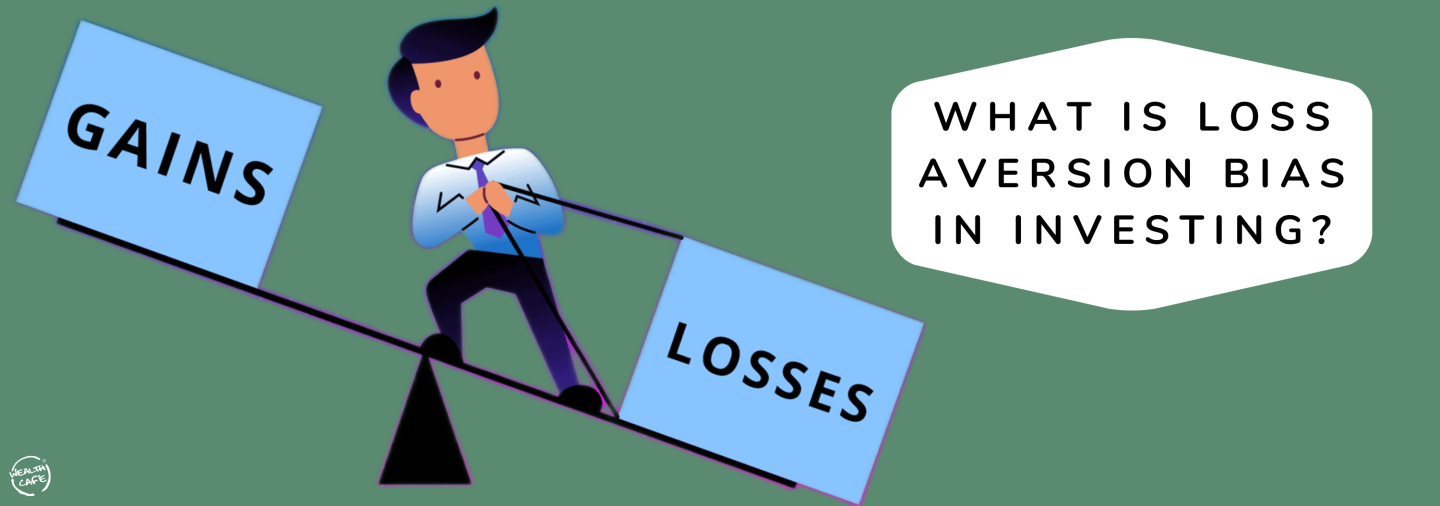
1. Lack of research and Professional Advice DIY investing may seem appealing, but the knowledge and experience of professional financial advisors cannot and should not be ignored. It takes years of experience to understand the market. You as a DIY investor will not be that skillful to handle your portfolio in every situation, especially when the markets are volatile. Everytime you believe this is it - there is something completely new that happens to be market and you will have to change your strategy. 2. Needs a lot of time Investing demands a lot of research and monitoring of your portfolio. You need to learn about your investment products, various asset classes, their features, risk & return, market scenario, global market conditions, its impact on your investments, how you should make a decision etc. Even when you consult someone to invest for you - it is very important you understand the basics of Investing. You can check our course for the same - Namaste Money. We start this course with a blank slate and handhold you through each concept as you baby step your way into finances. By the end of this course, you will be a better DIY money manager and investor. 3. Fear & Greed Emotions play an important role while investing. While you are investing on your own your fear or greed can oppose your investment strategy. Whereas, the financial advisor will not ask you to take decisions that are influenced by emotions. Check out our blog: What is loss aversion bias in investing? 4. Lack of monitoring DIY investing isn't just about doing your homework prior to making an investment. It is an on-going process. It is essential to monitor your investments. For example, if you are invested in a mutual fund, you need to check a few factors, for example what if the fund manager changes? You need to be updated with your investments. 5. Not rebalancing Investing isn’t a one-time exercise. You need to review and rebalance (where necessary)it at least once a year. Check out our blog: Smart investing: Time to re balance your investment portfolioWealth Café Advice:
Anyone can be a DIY investor. But not everyone will succeed. Where you have the time and ability to do the skills required to invest on your own, DIY Investing can be fun and would save you the cost as well. Do note that finance is a continuous learning process. Where you are just investing based on tips and recommendations and calling it DIY investing, then it is better to seek professional advice and let someone else do it for you. You can reach out to us at iplan@wealthcafe.in. If you want us to manage your investment, you can learn more about us at ria.wealthcafe.in and reach out to us.