What is an offer letter? What is included in it?

Receiving an offer letter from an employer or recruiter is an exciting time. It means your skills and experience are valuable and the company wants to hire you. In this article, we'll go over what is a job offer letter, along with typically what's included in it.

What is an offer letter?

An offer letter is a written document that offers a candidate a particular job position for which he/she was interviewed and got selected. It is created to intimate the candidate about his/her employment. It contains the Job title, joining date, finalized package or salary, Reporting manager’s details, role and responsibilities, and other benefits he/she is eligible for.

Once the offer letter is handed over to the candidate, he/she needs to accept to proceed with the hiring process further. The offer letter acceptance can be done verbally or in writing. Basically, It is a documented formality to offer a job and accept the same.

What's Included in a Job Offer Letter

An offer letter confirms employment details such as:

  • Job description: A description of what your overall goals are along with your day-to-day tasks
  • Job title: What your title will be when working at this company
  • Reporting structure: Another item discussed during the interview process, the reporting structure is often included in job offer letters. The reporting structure will detail who you report to, along with who will be reporting to you.
  • Work schedule: The hours you are expected to work each week. The job offer letter should also include your expected start date, which was likely discussed during the hiring process.
  • Salary: The amount you can expect to make on a yearly basis. Also included should be any bonuses or commissions that go along with the job.
  • Benefits information and eligibility: Most full-time jobs come with a benefits package. Your letter will likely include information about this package, including healthcare and retirement benefits.
  • Termination conditions: The job offer letter may detail the conditions that would lead to your termination. This is another important thing to have in writing in case there is a dispute somewhere in the future.
  • Finally, Acknowledgment of offer and confirmation of acceptance

Is a letter of offer a binding contract?

Whether or not a job offer is a binding contract depends on a few things. Technically, they’re all binding contracts, but it’s the terms of the contract that dictate just how binding it is. Most job offer letters will include a formal start date but say nothing about the term of employment (aka the end of it). Instead, there is often a clause describing the employment as an “at-will” contract, which means that either party can terminate it as long as the terms of termination are met (this is where the amount of time necessary for giving notice and the like are taken care of).

Therefore, the job offer letter is important because it relays vital information in writing. If there are any discrepancies after you've begun working, you'll want to have a written record of what you were expecting.

Wealth Cafe Learnings

A job offer letter allows to itemize the facts about the offer, outline the job’s responsibilities and highlight relevant details about the company. If you accept the offer, the letter serves to promote communication and to help orient you to the business environment before they actually start their first day of work.


 

    Get your weekly dose of Money Masala from us.


    How to do budgeting - different ways in which you can budget

    There are many different budgeting methods out there floating around in the ocean of information that we call the internet. Some are simple and some are complicated.

    A lot of them don’t work. This makes it hard to find a method that will work for you.

    Budgeting methods to consider

    Before picking a new or different budgeting method, you might want to figure out where your money is going so that you know what areas need your attention.

    Once you have an idea of your spending habits and where you can make changes, five different budgeting methods can help you make it happen.  No single budgeting method is best for everyone, so it’s important to compare each and determine what works best for you.

    1. Zero-based budget

    The concept of a zero-based budgeting method is simple: Income minus expenses equals zero.

    This budgeting method is best for people who have a set income each month or at least can reasonably estimate their monthly income. After calculating your monthly income, add up your monthly spending and savings to equal that income amount.

    It’s important to plan out all your expenses as accurately as possible. If you go over one spending category, you’ll need to take cash from another category to make up for it. And if you forget a large expense, it could throw your budget off.

    Zero-based budgeting is the most time-consuming method because you have to dig into the details behind each line item.

    Since there’s less room for error with a zero-based budget, it might be a better option for someone who has already been budgeting for a while. Even then, it’s a good idea to keep extra cash in your checking account as a buffer. Also, have at least a small emergency fund in case you incur a large unexpected expense.

    2. Pay-yourself-first budget

    The pay-yourself-first budget is another simple budgeting method that focuses primarily on savings and debt repayment.

    Paying yourself first is one of the golden rules by many financial planners. Each month you should remove a fixed % of your income as savings and keep it aside. Now use the remaining amount to spend on your monthly expenses.

    So how will you ensure you are paying yourself first?

    We do this by having two separate bank accounts.

    1. Income account – in which your salary/fees, basically any earnings, are credited each month.
    2. Investment Account – in which you shall transfer your savings from your salary account. This account will be for all your investments. You will make all your investments, for example, insurance premiums, mutual fund (SIP), deposits, and equity, from this account.

    This system of having two bank accounts will ensure that you are saving first – as you MUST transfer a fixed sum of money from your income account to your investment account.

    This budget is best for someone who struggles with saving each month or doesn’t want to focus too much on budgeting each expense.

    3. Gullak Method of budgeting/ Envelope system budget

    This budgeting method is similar to the zero-based budget but with one big difference: You do it all with cash. In an envelope budgeting system, you plan out how you’re going to spend your money each month and use an envelope for each spending category. Then you withdraw as much cash as you need to fill each envelope based on your budget.

    As you go grocery shopping, for instance, take your grocery envelope and pay for your items with cash. If you run out, that’s all you can spend in that category for the month unless you want to take cash from other envelopes. Avoid raiding other envelopes too often, though, because it can cause a snowball effect and you can run out of cash before the end of the month.

    The biggest proponent of the envelope system, so it’s a great option for people who espouse their beliefs about money, which focus heavily on paying down debt quickly and using cash, not credit cards.

    But it’s not a good budgeting method for someone who doesn’t feel comfortable having that much cash on hand or prefers using credit cards or debit cards.

    4. 50/30/20 budget

    The 50/30/20 budgeting method is straightforward and requires less work than the zero-based and envelope budgets. The idea is to break down your expenses into three categories:

    • Necessary expenses (50%)
    • Discretionary expenses (30%)
    • Savings and debt payments (20%)

    This budgeting method is a great option for newbie budgeters because it doesn’t require meticulous tracking of all your expenses. You can succeed with this budget as long as you know what counts as a want versus a need and put enough money toward savings and debt.

    The main drawback is that the 50/30/20 rule might be unrealistic for people who have a lot of debt or have big savings goals because 20% isn’t a lot.

    But the good news is that you can customize it to fit your needs. For example, you may want to consider increasing the savings and debt repayments category and decreasing the discretionary or necessary expenses categories.

    In other words, don’t get stuck on the 50/30/20 proportions. Tailor the concept to your needs.

    5. The ‘no’ budget

    This “budgeting” method is based solely on your income and expected expenses and moving your money around each month with intention. That’s it.

    Before You Start the “No Budget” Method, Do a Quick Assessment of Your Income and Typical Monthly Spending

    • Determine your income
    • Determine the total of your bills each month
    • Estimate how much your other spending costs per month
    • Figure out how many extras there would be for debt/savings/investing each month
    • Use these as a baseline number each month going forward

    How to Implement the “No Budget” Method Every Month

    Step 1: At the beginning of the month, as soon as you get paid, pay all your bills first.

    Step 2: Next, save money or pay off the debt in the amount you’ve determined you can afford each month.

    Step 3: Whatever is left over is yours to spend on your variable expenses until you get paid again.

    Important: rules for using the “no budget” method

    1. Don’t use credit cards. this ensures you’ll never overspend.
    2. On the last day of the pay period/month, move any extra money in your bank account over to savings or to pay off debt
    3. Keep a buffer amount in the saving account just in case
    4. Check your bank account regularly
    5. Set up automatic investments and your bills
    6. Review spending at the end of the month 

    While the “no” budget sounds easier than the other methods we’ve listed, it’s not always easy to tell yourself “no.” This budgeting method is best if you’ve demonstrated spending discipline in the past and are confident that you can continue that streak.

    Also, it’s best if you use only a debit card with this budget because it’s tied directly to your bank account and automatically updates your balance.

    Wealth Cafe advice:

    The important thing is to create your own budgeting rather than trying to conform to someone else’s.

    Do that and you will have clarity on how to reach your goals, and you won’t have to worry about being limited in your budget.

    You cannot be in complete control of your money if you’re not budgeting in the best way for you.

    Budgeting method Good for…
    1. Zero-based budget Tracking consistent income and expenses
    2. Pay-yourself-first budget Prioritizing savings over spendings
    3. Gullak Method of budgeting Making your spending more disciplined
    4. 50/30/20 budget Categorizing “needs” over “wants”
    5. The ‘no’ budget Lowering and avoiding unnecessary spends


    To conclude, there are different methods of preparing budgets, and there is no best method that fits all. Whatever you do, the important thing is that you develop the habit of managing your money in a way that helps you improve your financial health and achieve your goals.

    To learn more about saving and investing enroll in our course: NM 101- Maximise your Savings

    DEEP CLEAN YOUR PORTFOLIO THIS DIWALI

    Bursting crackers, playing card games, or decorating the house--a lot of customs are associated with the festival of Diwali. And among those typical Diwali rituals, there is one aspect that is generally overlooked – cleaning and decluttering!

    Deep cleaning of our houses for Diwali has been an age-old custom. Most families go through similar rituals during this time – they clean every nook and cranny of their houses and yards several days before Diwali arrives. So, why is it so important to deep clean?

    Let me tell you,

    It helps you to declutter your mind, it just relaxes you the way many 2 therapy sessions would (or not). You just have this dopamine rush of completing some tasks. And also, it's great to be in a house that is dust-free and has more space.

    Take stock of everything: It helps you understand what you have and how much. Take a stock of everything you own - clothes, books (I found some great books I got and I haven't read yet, finishing it before the year ends), home decor, candles, and shoes (omg not used them for 2 years now).

    Discard all that you don’t need - Simple rule - what you don't use please discard. I am everything but a hoarder and I love my mother for this. If I don't use something, I discard it and then I buy less of things I don't want to use because discarding them is extremely painful. Thus, becoming a smart shopper. I do not decide after shopping, I decide before shopping.

    No mindless Diwali/Festive Shopping - Ugh I hate it when people buy things just because it is Diwali. Yes, it was great when you did that only once a year. But now we are shopping literally all the time. We always have Myntra or Amazon tabs open on our phones. Hence just shop what you want or don't shop.

    Set budgets - Diwali is all about budgeting guys. Look closely, you will see savings everywhere but Marketing is only showing Spending more.

    Now that we have touched on the budgeting topic, let us talk more about finance with the whole deep cleaning idea. This deep cleaning is not just limited to your wardrobes and homes but also can be extended to your portfolio. Take this opportunity to deep clean your Portfolio

    Ways to Deep Clean your Portfolio

    Collect all the data about all your investments, this is the most time-consuming process if you have not been maintaining it properly. But it is totally worth it, you can also check Mprofit software to maintain your investment information. It is available for free for up to 50 lakhs portfolio value.

    Now check your asset allocation - How much you have in debt, equity and gold. If you have money in real estate for investments (not the house you live in) then add that too. Know how much % you have in each of these asset classes.

    Rebalance or reallocate your Investments as per your risk profile or ideal AA. If you are a regular reader you must know what is your risk profile and ideal asset allocation, for the new bees - check out this blog - One size does not fit all! and our risk calculator to compute your risk profile. 

    Once you know your risk profile, compute your ideal allocation and then compare it with what you already have. Rebalance your portfolio to achieve your ideal allocation. These are some ways to achieve your required asset allocation.

    Declutter your Mutual Funds - When we are talking about decluttering, remember that one of the first things to do is to stop hoarding on mutual funds, buying every other mutual fund is going to make your portfolio messy, and having too many things of one type is only making your diversification worst. So ensure that you have 5 to 6 mutual funds and not more than that and have 1 fund in each category. Time to declutter your mind, wardrobe, and portfolio.

    Read the following article to understand this in more detail - 

    How many mutual funds should you have?

    When to exit from a Mutual Fund or a SIP

    So remember, let it be cleaning your house or your portfolio, both ways you would be welcoming more Laxmi in your life 🙂

    What should be my monthly SIP for higher education for a 10 year old?

    xThere has been a petrifying rise in education costs over the past few years. Essentially, this rise has involved increasingly burdening households for the payment, creating a situation in which education beyond the secondary level is essentially unaffordable for most working people, and even school education involves costs for families that can be very high.

    This got one of our clients, Ria, wondering how much money it would take to get her son educated for higher education. 

    Inputs we received from Ria :

    • Her son is currently 10 years old. The time for his post-graduation first year is in 10 years.
    • The current average cost of post-graduation in engineering is 40,00,000 for 4 years of engineering.

    PS: She doesn't want to force her child to do engineering but wants to ensure she has enough funds if he wishes to do so. She probably wants to be ready for overseas expenditures for post-graduation too in case he wishes to do the same.

    Now before we start calculating, please note that the inflation is usually considered as 6% but as we know education cost has been increasing at a higher rate, we generally consider an inflation rate of 10% for education.

    STEP 1:  Risk Profile 

    It is necessary to know your risk profile before you invest in any of your financial goals so that you can invest accordingly.

    Therefore, we suggested Ria do the same. Her Risk Profile was Growth (She computed her risk profile using our calculator from the website -  Risk Calculator). 

    As per the growth risk profile, your investments (portfolio) must be divided in the ratio of 70% in Equity and 30% debt. Also, given that the education goal is a long-term goal, we advise Ria to invest as per her risk profile. For the purpose of calculation, we consider the historic returns of equity at 15% whereas debt returns of 8% approximately. Therefore, her average portfolio return should be 12.9%

    STEP 2: Calculate Monthly Investment Amount  

    Components Amount
    Current Cost of the Goal INR 40,00,000
    Rate of Inflation Assumed 10%
    Future Cost with Inflation INR 77,94,868
    Current investment-linked towards the goal 0
    Expected Returns from Equity 15%
    Expected Returns from Debt 8%
    Suggested Initial Asset Allocation between Debt: Equity-based on their Risk Profile 30:70
    Avg. Portfolio Return Assumed 12.9%
    Monthly Investment Required INR 38,555 

    Above is the self-explanatory working of how much Ria needs to regularly (monthly) invest to accumulate the corpus to her son’s post-graduation expenses. This required an amount of Rs. 38,555 to be invested in a given ratio of 70:30 in equity and debt mutual funds. 

    We also advise Ria that her investments in the ratio of her risk profile would continue till year 7. From year 8 the goal would become a short-term goal and she would have to gradually convert the equity portion to debt. We would not want her to take any risk with her investments and her son’s goal of completing his education. 

    STEP 3: Revisit your portfolio.

    It is important to have a yearly portfolio review and to rebalance the portfolio according to their required asset allocation for every goal based on the time available. 

    Read - Smart investing: Time to rebalance your investment portfolio -to learn more about it

    Wealth cafe advice:

    We also advised Ria to not invest all her savings in her kid's education goal but also keep other goals in mind such as her own retirement goal. One must look at their investments from an overall perspective and not just at one or two things.

    We have a calculator to help you compute the monthly SIPs required to achieve your goals, so you can move around your numbers, in the same way, to compute for yourself. - https://financial.wealthcafe.in/saving-calculator/

    Enroll to our course: NM 105: Plan & achieve your Goals - to make your own financial plan and to learn how the whole investment thing works.

    You can also check out our blog - Goal Based Investing

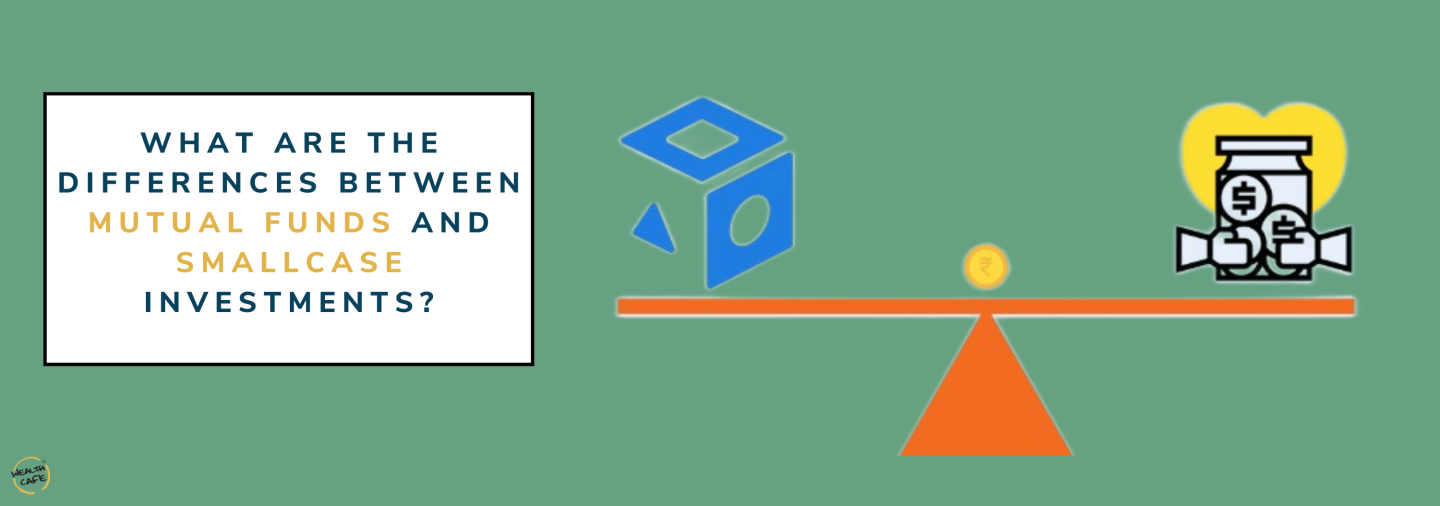
    What are the differences between Mutual Funds and Smallcase investments?

    As an investor if you want to invest in equity, you have 2 options- you either invest directly via stock market or through equity based mutual funds. A small case is a new and exciting product for retail investors that offers portfolio diversification as an in-built feature. 


    What is a smallcase?

    The new term ‘smallcase’ is something that is catching on with digitally savvy investors.

    It is essentially a basket of stocks or ETFs, curated around a specific theme, or a specific investing style. For example Rising Rural Demand - Companies that stand to benefit from increasing rural consumption, IT Tracker-  Companies to efficiently track and invest in the IT sector, etc 

    Under this platform, an investor can either create their own model investment portfolio, also termed as smallcase, or choose from the several existing ones which are created and managed by SEBI (Securities and Exchange Board of India) registered entities. All one needs to begin investing is a trading account and a demat account.

    So again, back to the basic question, how is this any different from a mutual fund?

    Smallcase portfolios often get compared with mutual funds. While the two are similar in that they both minimize risk through diversification, there are some of the prominent differences too.

    Check our course- NM 104: Basics of Mutual Funds - to learn more about Mutual Funds in detail.


    Mutual Fund  Small Case
    When you invest in a Mutual Fund, you buy units and not the individual stocks You buy the stock rather than units
    Managed by mutual fund managers of the respective fund house  Managed by different entities including research firms, financial planners, etc
    Predominantly have categorized based on fund size Smallcase portfolio is built on the theme or idea
    Mutual funds have an  expense ratio The cost would vary from broker to broker. They can be a little on a higher side as compared to mutual funds.
    Only the fund manager has the authority to update your fund and add or remove stocks Flexible as it allows you to update your smallcase portfolio and add or remove stocks
    Some mutual funds preclude investors from exiting their investments for a certain period of time No lock-in periods
    Some mutual funds preclude investors from exiting their investments for a certain period of time Needs a higher capital for investing. Since you are directly investing in shares, you will have to buy each unit of them, and to create diversification takes much of your capital
    Mutual funds are managed by experts they have a lower risk Smallcase comes with a higher risk
    There are some mutual funds that are termed ELSS (Equity Linked Saving Schemes) which can give you some tax benefits.  There is no tax benefit


    Wealth Cafe Advice:

    Mutual funds can be preferred for investors who are not from a financial background and want to give all the control to a third party to manage the money on their behalf.

    Smallcase on the other hand can be useful for someone who’s with some financial intelligence and understands the technical jargon of the market

    However, You need to have a long-term view towards investing if you want to put your money in smallcases.

    Smart investing: Time to re balance your investment portfolio

    Investing isn’t something that’s a one-time exercise. Sure, you need to put a great deal of thought into selecting the investments that make up your portfolio. But once your investment portfolio has been ideally constituted, does that mean your job is done? Surely not. Your investment portfolio needs to be analyzed from time to time to check if it’s still ideally aligned with your risk-return profile

    For instance, you invested in a mutual fund. The fund is up 50%. You are pleased and redeem your money. 

    Before we discuss if it was a good idea to redeem and exit your mutual fund investment, we have to ask, why did you invest in the fund? Was it for a specific goal? Was it to create long-term wealth? 

    If you redeemed because you reached your financial goals, then BRAVO!!!  On the other hand, if you are a long-term investor, then you probably need to rebalance your portfolio on a periodic basis. It is important for two reasons: risk management and improved returns.

    As markets fluctuate, rebalancing your investments will require buying or selling some portion of your mutual funds so that your asset allocation is in line with your risk profile.

    Why do you need to rebalance?

    Rebalancing is probably one of the most overlooked aspects of Investing. 

    If pedaling is like injecting savings into your portfolio (by far, the hardest part) and wheels are transforming it into returns then what is rebalancing?

    As conditions change, gears help to keep the legs spinning at the pace you want.  The same goes on with rebalancing. Adjusting the gears so that you won’t injure yourself when facing an uphill battle or strong winds.

    Over time your strength may not be the same anymore, at which point the gears you use may change more permanently.

    Bulls and Bears - when you need to take action!


    When should you rebalance your portfolio?

    Now that you’ve understood the portfolio rebalancing meaning, it’s time to move on to the next big question – when should portfolio rebalancing be done? Typically, there are different triggers that make portfolio rebalancing necessary.

    Here’s a preview of some such scenarios or situations when you need to revisit your portfolio and check if it’s still aligned with your goals.

    Market Condition

    A standard rule of thumb is to rebalance when an asset allocation changes more than 10%. You can refer to my article- How am I investing in current times 

    Changes in your risk profile

    When you first constituted your investment portfolio, you may have been an aggressive investor who was open to taking more risks. But with time, your risk profile could have undergone changes. You may have become less tolerant of risks, reducing your risk taking capacity. In such a case, with changes in your risk profile, portfolio rebalancing becomes necessary.

    A new financial goal on the horizon

    Over time, new financial goals may be added to your objectives. When you start a family, for instance, you will have to make room for additional goals like paying for your child’s college education. When new goals like this are added to your investment objectives, you may need to revisit your portfolio to ensure that it’s capable of meeting these new targets. If it’s not so equipped, portfolio rebalancing can help.

    Fast-approaching retirement

    When you’re nearing retirement, it becomes increasingly essential to ensure that your investments are properly aligned to meet your retirement goals. Rebalancing your investments may be necessary to help you achieve that target corpus you have in mind. So, if you find yourself just a few years from the big day, check your portfolio and use portfolio rebalancing strategies to adjust the asset allocation, if needed.


    Portfolio rebalancing strategies: How to rebalance your portfolio?

    Rebalancing your portfolio will depend specifically on your investment needs and goals. However, a few simple steps can help you understand the process better. 

    1. Have a target asset allocation in place. Factor in your life goals, your risk appetite, and your retirement goals to make your asset allocation aligned with your investor profile. 
    2. Constitute your investment portfolio based on your required asset allocation.
    3. Revisit your portfolio every six months or every year to check if the assets therein continue to adhere to the original target allocation.
    4. Also, revisit your asset allocation target periodically to ensure that it is in tune with your life goals.
    5. In case your target allocation is not met, you may have to purchase new units of some assets or sell off existing units of other assets as needed, till the right asset allocation is achieved once more.

    Wealth Cafe advice: 

    Rebalancing is an important part of managing an investment portfolio and is typically needed just once per year. Through rebalancing, you can keep the risk level of your portfolio consistent and perhaps even enhance your returns. Essentially, rebalancing will help you stick to your investing plan regardless of what the market does and also help you maintain your original asset-allocation strategy. When rebalancing, though, you have to be careful not to trigger excessive taxable income in taxable accounts. 

    If you’re unsure about how to rebalance your portfolio, it’s always a good idea to seek the help of a financial advisor. We are SEBI registered investment advisors and can help you make sound investment decisions - you can reach out to us at iplan@wealthcafe.in, in order to help you make a financial plan for yourself.

    Mistakes a couple should avoid about money

    While it's true that love might not cost a thing, plenty of romances fall victim to money -- or at least to money mistakes.

    Money and relationships are inseparable, and if you mismanage the former, the latter hardly stands a chance. Openly discussing financial matters is a touchy subject for many, and it’s no different when it comes to couples and money. Depending on each of our own personal histories, our financial problems, our values, and our relationship with money, it can symbolize different things to different people, which can make it difficult to talk about.

    Personal finance is difficult – sometimes embarrassing – topic to discuss with our significant other, and sometimes it seems easier just to ignore the elephant in the room. It’s important to discuss managing money and finances early on in the relationship so we can avoid fighting over money in the future. However, if “early on” has long since passed, there’s still hope for your marriage or relationship.

    Here are a few common money mistakes couples make and how to fix them.

    1. Keeping Money a Secret

    Keeping something money-related a secret from your loved one can be a huge problem. They can feel like they were left out, that you didn’t trust them, and/or that you are financially cheating.

    Money secrets may include:

    • Secret debt.
    • Secret money saved.
    • Lying about how good or bad the family is financially doing.
    • And more, of course!

    It's important to be open about money as it is to be open about even the most intimate aspects of your love life. 

    2. Leaving Financial Responsibilities to Just One Partner

    It takes two to tango -- and this has never been truer than when it comes to financial heavy lifting. This includes paying the bills and the management of investments

    Where one of you can take charge of your finances, but both of you must be aware and doing it together. - we have discussed it in detail in our session 1 of the course.


    3. Not talking about your money past

    Many of our beliefs about money form at a young age, and we’ve all had different financial experiences as adults. You and your partner are not going to agree on everything when it comes to money, but understanding each other’s money beliefs and experiences can help you appreciate why they make the financial decisions that they do.

    4. Neglecting to talk about your financial future

    Many of the money decisions that you’re making now impact not only your current financial security but also the way you’ll be able to spend and enjoy your money in the future. Thinking about that future together — and making a plan for how you’ll pay for it — is a great way to make sure you’re both on track to make it happen. It can also be one of the most enjoyable money-related conversations that many couples have.

    5. Income Shaming

    Even in relationships that began at work, it's likely that one partner makes more money than the other.

    It's never okay for the bigger breadwinner to hold the wage gap over the head of the lower earner. Instead, it's important to remember that you're two equal parts of a team moving toward the same goal.

    6. Not having a plan for your accounts. 

    There is no 'right' way to manage your accounts. Couples can choose to have exclusively joint accounts, a joint account as well as separate accounts for saving or personal spending or keep things entirely divided. Discuss your preferences together and decide what makes you both the most comfortable.

    However, keeping money in one account is risky and outright wrong. Keep a balance to bring equality. Divide your savings and investments equally. We do this by having two separate bank accounts.

    1. Income account – in which your salary/fees, basically any earnings, are credited each month.
    2. Investment Account – in which you shall transfer your savings from your salary account. This account will be for all your investments. You will make all your investments, for example, insurance premiums, mutual fund (SIP), deposits, and equity, from this account.

    This system of having two bank accounts will ensure that you are saving first – as you MUST transfer a fixed sum of money from your income account to your investment account.

    7. Failing to set up an emergency fund.

    Life is full of surprises and unfortunately, some of these surprises can be expensive. Having an emergency fund will help you avoid precarious financial situations should something come up. You must decide together how you'll set aside the money.

    8. Not establishing a minimum cost for discussing big expenses. 

    While not all purchases demand a conversation, more expensive ones that impact the family budget should. Determine what that threshold is as a couple. For any expenses above a particular cost, you both should agree on whether it's a necessary purchase.

    9. Forgetting To Have a Laugh

    Financial anxiety can be all-consuming stress. That's why it's so important to find a little levity wherever you can.

    Money issues are serious. You shouldn't take them lightly. But a lighthearted approach to a heavy subject matter can take the edge off of the stress that financial strain can put on even the healthiest relationships. You have someone to weather the storm with -- be happy for that and don't forget to laugh when you can.

    We all have our share of financial mistakes, for sure, as a married couple. But, if we value each others’ advice and respect each others’ take on things, it will surely blossom as a happy marriage with surely fewer financial mistakes.

    Now that you've read this list of don'ts after saying the “I do's”, it's time for you to start the steps to better secure your financial stability to pair with your matrimonial bliss. 

    Pre-book to our course- Honey & Money to get  70% discount now - click here.

    Advice to to-be married/newlywed couples on money

    Starting your new life as newlyweds means blending your worlds, and that includes your finances. Talking about your finances may not be the most romantic topic of conversation, but it is an important one to have. That's why it's crucial to find the best advice for newlyweds that will help you manage your money the best way possible.

    Even if you already lived together before getting married, managing your money will change after you become legal partners. These money matters may be awkward to talk about at first, but doing so will improve your communication skills and prevent any money misunderstandings in the future.

    Also, working together as a team with your finances will strengthen your relationship and help you achieve your money goals together! 

    In order to help you out, we are finally announcing the pre-booking of our course- Honey & Money.

    Financial Advice for Newlyweds

    Don't let your money matters put a damper on your relationship. Here is some advice to newlyweds to keep their finances in order!

    1. Discuss Financial Priorities

    Talking about money can be stressful, but it’s important to talk about your financial priorities with your partner.

    • Is saving and investment a major priority for you, or do you prefer to spend money at the moment?
    • How much of your income are you willing to spend on luxuries versus necessities?
    • If you plan to have children, how much do you want to support them financially?
      • Will you pay for child care, or will one of you be a stay-at-home parent?
      • Will you pay for the entirety of their college education?
      • Do you expect your children to support you financially in your old age?

    These questions don’t have a “correct” answer. Making sure that you and your partner have similar priorities, or can find a compromise somewhere in the middle, can help avoid financial arguments in the future.

    2. Talk about your family financial history

    Discussing your family financial history is one of the most critical newly married couple tips you can do. Talking about your family's history with money is a great way to open up the conversation about your marriage finances. 

    Revealing how your parents handled money, what you learned from their financial resume, and how they taught you to save or spend can be helpful information for couples.

    This can also help you figure out if you've inherited financial insecurities or have any money blocks you need to work past. This way, you can tackle them as a team and work towards financial success!

    3. When in Doubt, Spend Less on Your Honeymoon

    Keep this in mind as you’re planning your honeymoon. Your memories won’t revolve around where you were cheap – you won’t even remember it at all. It can be memorable even if you stayed way out of the city center in a much less expensive hotel. 

    This is a prime opportunity to learn about one of the fundamental rules of personal finance together. Money spent on nonessential stuff that you won’t remember is money wasted. Remember what’s essential is you being with your partner. Don’t burn money on other stuff if you are out of budget. All you’ll do is hurt you and your partner in the future.

    4. Don't hide your spending habits

    A common issue that causes conflicts in marriage is problems with overspending. Overspending can rack up debt, cause mistrust between partners, and shows a lack of respect within the marriage.

    Avoid these relationship issues by consulting your partner before making big purchases and being open and honest about your spending habits.

    5. Open A Joint Account But Keep Existing Separate Accounts

    Before it is even a question of making decisions about retirement planning in a partnership, couples often face a tense conflict in their relationships much earlier. The conflict regarding the allocation of financial resources comes almost unavoidably to all couples.

    We advise that both partners should first keep their existing accounts and also open a joint account to which each partner makes a monthly deposit. This joint account will ensure that all your expenses are running from the common account. We have discussed it in detail in our session 1 of the course - Managing cash flows.

    6. Start an emergency fund

    You never know what the future holds for you, so it's always best to be prepared. You will never regret starting an emergency fund after marriage. For example: if you lose your job, if you are suddenly expecting a baby, if the roof leaks, the car breaks down, and the list goes on.

    The size of the fund would depend on several factors such as your income, lifestyle, and number of dependents, existing debt, and so on. It is advisable to save for 3-4 months at least so that the amount should ideally cover your expenses.

    Some of the options available to you are:

    1. Fixed Deposit (should be linked to your net-banking)
    2. Liquid Mutual Funds
    3. Cash at Home - Up to 1 month’s expenses (For super sudden need!)

    It would be useful to keep reviewing your emergency fund requirements at least once a year, as there may be changes in your life like starting out a business, taking a sabbatical from work, the addition of a new family member, or a change in your lifestyle.

    7. Create financial goals as newlyweds

    Some of the best advice for newlyweds is to create financial goals together. Having goals set can help you achieve your big visions in life! It will be much easier to reach your goals if you can work toward them together, and it can help reduce tension if you make sure you don’t have goals that directly contradict one another’s.

    • Do you want to live in a lavish house or a small one?
    • Would you rather rent or own your home?
    • Do you want to retire early or work full careers?

    8. Discuss your finances with your spouse regularly 

    Your marriage finances should not be swept under the rug. Circumstances are bound to change at various points in your married life. So make it a habit to review your finances on a monthly or bi-monthly basis to ensure you are staying true to your household budget.

    This is why it’s so important to have “money dates”. In simple terms, a "money date" is a regularly scheduled conversation between you and your partner where you discuss finances. They’re an opportunity to talk about your day-to-day finances, as well as prepare for any short or long-term financial plans in a fun manner.

    While money dates can be enjoyed by couples at all stages of their relationship, we recommend you start as soon as you move in together and begin sharing large expenses together. This allows you to build the habit of talking about money together and makes the conversations easier over time. Best of all, you'll quickly start to feel like you're on the same team, working towards shared goals together.

    Getting married is an exciting but potentially stressful time. These newly married couple suggestions can help you budget better, create goals, and most importantly find enjoyable things to do together too. Why not get started by taking our free financial courses together to work towards financial success!

    Pre-book to our course- Honey & Money to get  70% discount now - click here.

    Article Headers (22)

    What is e-Rupi? All you need to know about India's new digital currency.

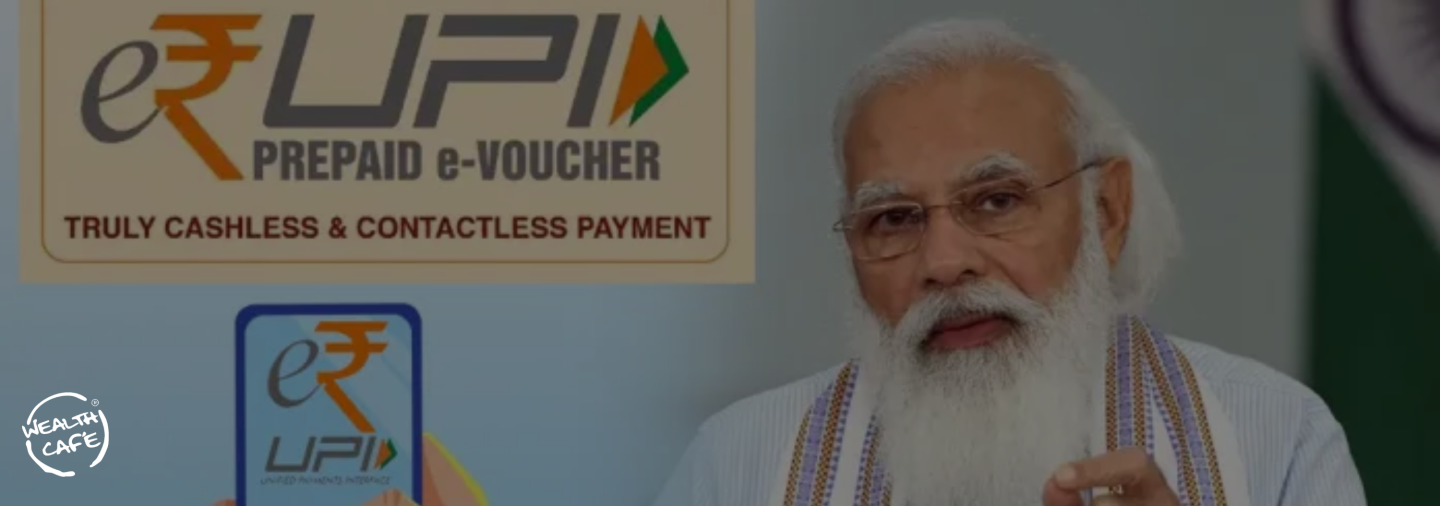
    There have been incidents of poor people being regularly robbed of their pensions and scholarships by corrupt banking correspondents who take their fingerprints citing different excuses. To eliminate such problems, on 2nd August 2021, the Prime Minister of India Mr. Narendra Modi launched a digital payment platform called e-RUPI Digital Platform. 

    The US, South Korea, and several other countries have used similar voucher-based incentives for welfare services.

    What is e-RUPI?

    e-RUPI is an e-voucher, which is cashless, contactless, and is a person and purpose-specific payment solution. A beneficiary will be required to show the QR code or the SMS message to the merchant, who will scan the same and a verification code will be sent to the beneficiary’s phone number. The latter will have to share the code with the merchant and the payment will be successful.

    For instance, if you have an e-RUPI voucher for the Covid-19 vaccine, then it has to be redeemed for vaccines only. Before e-RUPI coupons are sent to the mobile numbers, the mobile number and identity of the citizen will be verified. This could also help in preventing corruption in the system (at least until the corrupt officials find a way to circumvent this too :P)

    State Bank of India (SBI), ICICI Bank, HDFC Bank, Punjab National Bank (PNB), Axis Bank, and Bank of Baroda will provide both issuance and redemption facilities for e-RUPI coupons. Meanwhile, Canara Bank, IndusInd Bank, Indian Bank, Kotak Mahindra Bank, and Union Bank of India will only issue e-RUPI coupons for now.

    As a one-to-many payments facilitator, it will help the government sharpen targeted welfare programs. The private sector will find it helpful to disburse non-cash benefits to employees and support focussed CSR programs. Later, individuals could use it for gifting.

    What are the uses of e-RUPI?

    Many services will be provided by the government through e-RUPI in the country. It can also be used to ensure leak-proof delivery of wellness services. To be used for leak-proof delivery of fertilizer subsidies, TB eradication programs, Ayushman Bharat, Pradhan Mantri Jan Arogya Yojana, Mother, and Child Welfare Schemes, etc.

    The government has also talked about giving the benefit of this digital voucher for the private sector employee welfare and corporate social responsibility. This app is not released as a normal payment app. Soon you will be able to get many services through e-RUPI after it is released by the government today. E-RUPI will be spread across the country through SMS string or QR code.

    • COVID Vaccine Registration
    • SSC CGL Admit Card 2021
    • Download Window 11 ISO file
    • Upgrade Window 10/7 to 11
    • OLA Electric Scooter Dealership
    • Delta Plus Variant Symptoms
    • T20 World Cup Schedule
    • IPL Schedule 2021 Remaining matches

    Benefits and loopholes

    Aimed at bridging the digital gap among the unbanked population, the beneficiaries or users of this payment mechanism will not require a card, digital payments app, or internet banking access to redeem the voucher.

    e-RUPI transaction process is said to be secure and will be keeping the details of the beneficiaries completely confidential, maintaining their privacy.

    The introduction of the Covid vaccination voucher is also aimed at ramping India’s vaccination drive as e-RUPI allows beneficiaries to easily book appointments for the shots. However, with the beneficiary not required to disclose their identity, these vouchers are also likely to be claimed by other people.

    With the help of the E Rupi application, digital payment has been done simply. Many institutes have shown their interest in this application. The adoption of e-RUPI in various government programs will enhance business efficiency, simplicity, transparency, and accountability in various programs with tax implications such as meals, education, travel, and health. So, if you want to enjoy this app, download it from the online interface.

    Official Portal Click here
    MPNRC Home Click here

    e-RUPI opens up a world of opportunities to the government, people, and businesses to provide, avail, and pay for services seamlessly. You will soon be able to use e-Rupi Digital Payment System. 

    Through this article, we have provided you with all the basic details regarding e-RUPI digital payment. If you are still facing any kind of problem then you can write us your questions related to your e-Rupi Digital Payment in the comment box.

    I am unable to ‘Save’ any money ! Guide me.

    A common question people ask is, "Where does all my money go?" Though they mean it as a joke, it's said with a sense of sadness. But the reason they don't know where their money goes isn't that they lost it or forgot the pin number to their bank card. They don't know where their money is going because they don't control the cash flow pattern of their money, their money controls them.

    Once a young man named Raj approached us for our advice, as he was facing the same issue - how should he manage his expenses?. Raj is a bachelor living in Pune alone in a rented house away from his hometown, Lucknow. It's his first job so he wanted to enjoy his money but he is also responsible to send some back to his parents however, he just cannot save. Every month he feels, this is it, I am going to save money today but it just never happens. He approached us as he had no surplus of money left at the end of the month and hardly had any savings.

    Are you A RAJ !!?

    Does this happen to you? Do you feel you are doing everything right but you are still not saving any money at the end of the month? Let us help you with it.

    Let's review Raj’s monthly income and expenses and help him find some money to save!

    We believe everyone can save a bit if they just push themselves a bit.


    Step 1 -Review of his monthly income & expenses - HIS CASH FLOWS

    Raj’s Expenses:

    Particulars Amounts
    Rent 15,000
    Toiletries + Basic monthly expenses 5,000
    Bills 5,000
    Sending to his family 10,000
    Food  18,000
    Traveling 6,750
    Misc 2,500
    TOTAL 62,250

    Raj’s Income = INR 60,000

    Extra Spend/Loss = INR 2,250

    Looking at his expenses it was a little difficult to figure out until we had a close look at it. Most of the expenses like Rent, Toiletries + Basic monthly expenses like utility bills & the amount that he uses to send his family were expenses that we couldn't fidget with and were his absolute needs. Further, we noticed that he was spending INR18,000 on food! So we asked him to share more details of the same. Traveling expenses and Miscellaneous expenses were also much more than one would expect someone to spend in Pune on a monthly basis. Therefore, we further explained to him how such expenses were harming his savings.

    On a closer look at his expenses, we guided him to look at cheaper alternative options for things he was splurging (provided he was ready to make the shift). We also guide him on how these reduced expenses would increase his savings and when these savings are invested it would grow to be a substantial amount for him.

    Wealth Cafe Solution:

    Food:

    So Raj was ordering in every meal (almost) and while it seemed fun and easy, it was making a huge hole in his pocket. So, rather than ordering we advised him to opt for having help to cook at home. Making food at home isn’t free, but it could probably squeeze out savings if, 

    1. you buy your groceries in bulk 
    2. if you are ready for home-cooked ‘good’ and ‘healthy food’
    Principal No of meals 

    (per day)

    Cost per meal Days Total cost a month
    When you order from outside
    How much do you spend 2 300 30 18,000
    When you cook at home/or have help to do that
    Help expenses 3,500
    Grocery spends 5,000
    once a week you still order 1 300 5 1,500
    10,000
    Monthly Savings 8,000

    Further, we explained to him how grocery shopping should be done, with the intention of saving money. The key here to save money is by buying groceries in bulk and managing it wisely. I have shown it in detail in the table below by taking an example of rice and wheat flour.

    Ration Rice* Flour* Total
    Where I order 1 kg 180 55
    how many times ordered 5 5
    The total cost of 5Kg 900 275 1175
    Where I order 5 kg directly 639 269 908
    Monthly Savings 261 6 267

    *Price referred from dmart website.

    By buying Rice and Flour in bulk, one could save approx 23% in comparison to buying in small quantities. Raj could follow this with other grocery items as well so as to save his money.

    By just shifting your monthly habit of ordering into cooking at home, he can have enough savings to start investments and SIPs. This may seem a very small thing but trust us many people get stuck to order in and this just changes everything in your monthly budget.

    Traveling: (7 km)

    Principal Cost per day (both side travel) Days Total cost a month
    Uber/Auto/Taxi 270 25 6,750
    Public transport (train + bus) 50 25 1,250
    Monthly Savings 5,500

    By using an alternative, i.e, public transport Raj could save INR5,500 every month. That is INR 66,000 every year. Public transports are everywhere and paid for by our taxes. Which means it’s a bit of a waste if we don’t use them at all, right?

    Miscellaneous

    A major proportion of Raj’s miscellaneous expenses consisted of buying cigarettes. It is easy to look at small purchases and say “whatever, it’s only INR 15.” As standalone instances, INR 15 for anything isn’t a lot of money. However, spending INR 15, on a cigarette 5 times a day adds up to a lot of money per year.

    In fact, it’s INR 27,000!

    Principal No of cig Days Cost per cig Total cost a month
    How much do you spend 5 30 15 2250
    Reduce it 1 a day 1 30 15 450
    Monthly Savings 1800

    If Raj could decrease his cigarette intake from 5 times a day to once a day, it would save INR 1800 a month whereas INR 21,600 a year. I need not tell, as a bonus, it saves his doctor's expense as well in the coming future.

    His expense now:

    Principal Amounts

    (Before)

    Amounts

    (After)

    Rent           15,000           15,000
    Toiletries + Basic monthly expenses             5,000             5,000
    Bills             5,000             5,000
    sends family             10,000             10,000
    Travelling               6,750                  1250    
    Food order (does not cook)             18,000           10,000
    Misc                2,500                      700
    TOTAL             62,250              46,950


    We do not deny the fact that savings are easy but it is not impossible. You can start with savings of INR 2000 each month or look at at least 10% of your monthly income and move forward. By cutting down his expense wisely Raj could save 15,300 (approx 25%) in comparison to before. He is saving INR 13000 monthly (INR 1,56,000 yearly) from his income, whereas he was spending more than his income with no surplus of money before.

    Where we always talk about the approach of pay yourself first, where you transfer your fixed savings to a second bank account so even the urge of spending your money does not come in the way of your savings - NM 101: Maximise your Savings


    So now that you know what you could be saving. Why not invest it? 

    As you see, he has a savings of 13,000 Rs, but by giving him INR 3000 for overheads, he could still invest INR 10,000. When making investment decisions, and investors’ portfolio distribution is influenced by factors such as personal goals, level of risk tolerance, and investment horizon. As Raj was towards balanced investment, his Debt-Equity Mix will be 50% debt and 50% equity. He invested INR 5000 in equity mutual funds which he could keep untouched for long-term goals whereas the other INR 5000 was diversified in liquid/short-term debt funds for emergency and short-term plans.

    Did you see how easily the portfolio was diversified? You can learn more about diversification and how to invest in our course - NM 105: Plan & achieve your goals. Once he had a proper hang of investing and could increase his risk tolerance, he could diversify his investments even more after doing proper research. But remember, diversification of assets should be up to a limit. Over diversifying can hurt your investment returns. 


    LET’S GIVE HIM AN ADDITIONAL INCENTIVE TO SAVE! LET’S GIVE ONE TO YOU TOO !!

    Spoiler: something beautiful happens. He builds more wealth!

    Let’s assume Raj makes a 11.50 % average return on investing INR 10,000 (expected equity return =15%, Expected debt return = 8% and based on his ‘balanced’ risk profile)

    Five years from now… he would have  ₹8,05,849

    Ten years from now… he would have  ₹22,34,032

    And in Twenty years… he would have  ₹92,51,011

    Don’t wait. Don’t hesitate. Don’t ponder and contemplate. Get started. Chances are good that at least some of the suggestions on this list will work for you and help you spend less money. By reducing your outflow and directing more money to financial goals, you'll be more successful in saving for big things so you can grow your net worth and build real wealth over time. It's worth the effort. 


    To learn more about Saving & Investments enroll in our course NM 101: Maximize your savings

    [mc4wp_form id="2150"]

    WCafe Financial Services Pvt Ltd (formerly known as Wealth Cafe Financial Services Pvt Ltd) is a AMFI registered ARN holder with ARN-78274.

    WCafe Financial Services Pvt Ltd (formerly known as Wealth Cafe Financial Services Pvt Ltd) is a SEBI registered Authorised Person (sub broker) of Sharekhan Limited with NSE Regn AP2069583763 and BSE Regn AP01074801170742.

    Copyright 2010-20 Wealth Café ©  All Rights Reserved